Top DevSecOps Training and Certification Programs Online
Introduction
Security has become a vital component of every software development lifecycle. In today's digital environment, organizations must secure their infrastructure from the ground up. This is where DevSecOps steps in integrating development, security, and operations into a single, streamlined process. If you're a beginner or an experienced tech professional looking to upskill, understanding DevSecOps training and certification programs online is a crucial step forward.
With cyber threats growing more frequent and complex, there is an increasing demand for professionals who understand how to integrate security into every stage of development. Whether you're a developer, system administrator, QA engineer, or IT manager, DevSecOps certification can help you become a more valuable asset in the tech industry.
In this blog post, we'll explore what DevSecOps is, why it's important, and the best DevSecOps training and certification options available online. We'll also cover key topics like DevSecOps training for beginners, course content, expected skills, hands-on components, and even DevSecOps certification cost.
What Is DevSecOps?
Understanding DevSecOps in Simple Terms
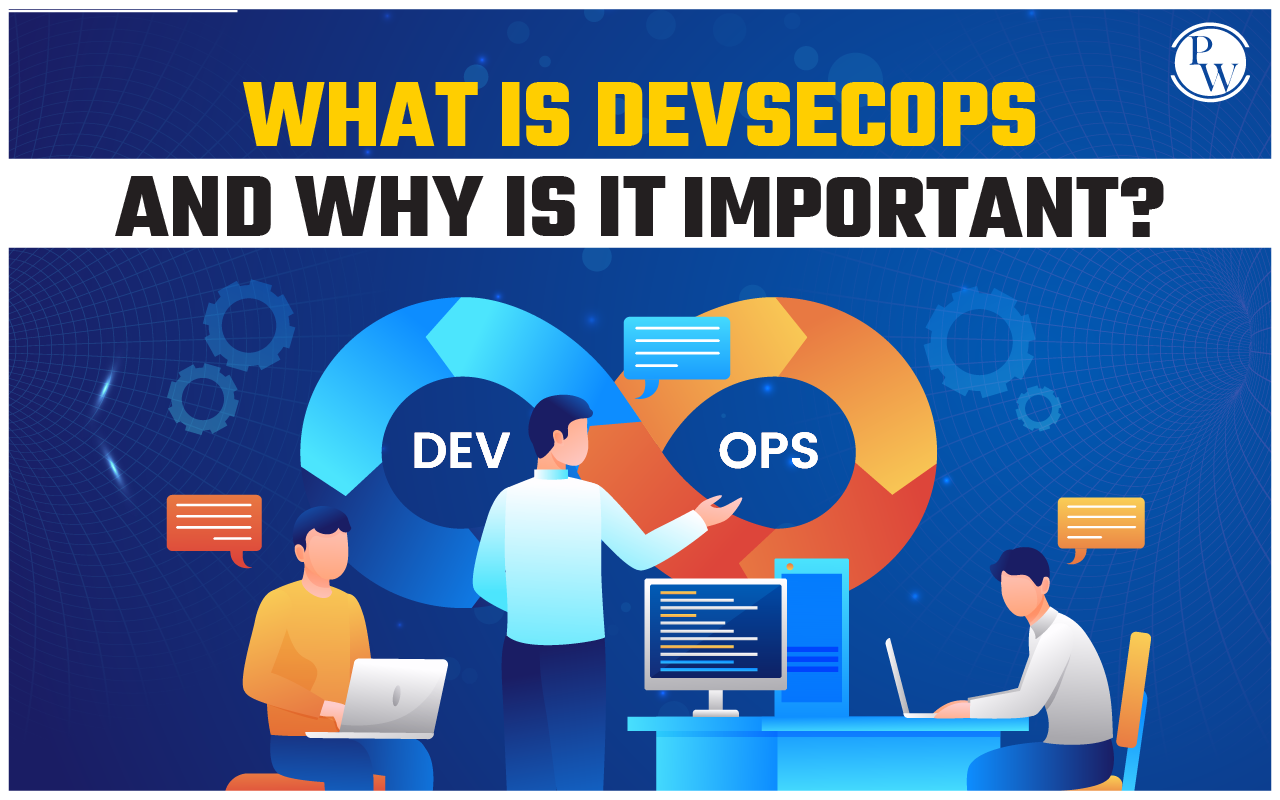
DevSecOps stands for Development, Security, and Operations. It extends the principles of DevOps by embedding security practices into the CI/CD pipeline. Traditionally, security was treated as a separate function that came after development. But with DevSecOps, security is integrated throughout the entire development process, from planning and coding to deployment and monitoring.
Why DevSecOps Matters
Here are a few key reasons why DevSecOps is gaining traction:
Faster Deployment with Fewer Risks: Security issues are identified and fixed early.
Automation Improves Efficiency: Tools like Jenkins, GitLab, and Kubernetes automate security checks.
Improved Collaboration: Teams across development, security, and operations work more closely.
Reduced Costs: Fixing security issues early in the development lifecycle costs less.
💡 Gartner predicts that by 2026, 80% of development teams will adopt DevSecOps practices to reduce vulnerabilities.
What You’ll Learn in DevSecOps Training
Core Topics Covered
Most DevSecOps training programs for beginners and advanced learners will cover these core areas:
1. DevSecOps Fundamentals
Introduction to DevSecOps
Key differences between DevOps and DevSecOps
Role of automation and CI/CD
2. Security Principles
Threat modeling
Risk assessment
Secure coding practices
3. DevSecOps Tools
Jenkins (for CI/CD pipelines)
Docker and Kubernetes (for container security)
SonarQube (for code quality)
OWASP ZAP (for security scanning)
HashiCorp Vault (for secrets management)
4. Cloud Security
AWS, Azure, and Google Cloud security practices
IAM roles and policies
Security automation in the cloud
5. Compliance and Governance
GDPR, HIPAA, and other regulations
Logging and monitoring
Auditing and reporting
Real-World Applications of DevSecOps
Practical Use Cases
Case Study – Healthcare Application: A healthcare startup used DevSecOps to comply with HIPAA regulations. They implemented automated code scans using Snyk and container scanning with Aqua Security, reducing their incident rate by 40%.
Case Study – Financial Services: A bank shifted from manual security testing to automated DevSecOps practices, reducing their time to deployment by 35% and improving compliance scores in quarterly audits.
Who Should Take DevSecOps Training?
Software Developers – To write secure code and understand security risks.
Security Engineers – To integrate security tools into CI/CD.
DevOps Engineers – To automate and manage security in deployment pipelines.
QA Engineers – To test applications for security issues.
IT Operations Teams – To manage and monitor infrastructure securely.
DevSecOps Training for Beginners: A Step-by-Step Path
If you're starting your journey into DevSecOps, here’s a roadmap to follow:
Step 1: Learn the Basics
Understand DevOps first
Study basic security principles
Learn about software development lifecycles
Step 2: Get Comfortable with Tools
Version control (Git)
CI/CD tools (Jenkins, GitLab CI)
Containers (Docker)
Orchestration (Kubernetes)
Step 3: Learn Scripting and Automation
Bash or Python
Infrastructure as Code (IaC) with Terraform or Ansible
Step 4: Start a Hands-On Project
Build a secure pipeline using open-source tools
Integrate tools like OWASP ZAP and SonarQube
Step 5: Prepare for Certification
Join structured online training
Take mock exams
Work on real-time scenarios
Key Features to Look for in DevSecOps Certification Programs
1. Curriculum Depth
Ensure the course covers not just theory but also hands-on security implementation in CI/CD.
2. Hands-On Labs
Look for programs offering live environments where you can practice DevSecOps tools.
3. Project Work
Real-world capstone projects are essential for understanding end-to-end DevSecOps workflows.
4. Community Support
A good course provides access to active forums, community slack channels, or instructor support.
5. Assessment and Certification
Programs should offer quizzes, assignments, and an exam to validate your skills.
DevSecOps Certification Cost: What to Expect
Breakdown of DevSecOps Certification Cost
Type of Program | Average Cost (USD) |
Beginner-level online course | $200 – $400 |
Intermediate to advanced programs | $500 – $1000 |
Instructor-led bootcamps | $1000 – $3000 |
Corporate training (in-house) | Custom Pricing |
📌 Note: Prices vary depending on course provider, duration, and included resources. Always check for trial periods or money-back guarantees.
Sample DevSecOps Toolchain (Visual Guide)
Here’s a basic pipeline that integrates DevSecOps principles:
Code -> GitHub -> Jenkins (CI/CD) -> SonarQube (Code Analysis)
-> Trivy (Container Scanning) -> Kubernetes (Deployment)
-> Prometheus & Grafana (Monitoring)
Each component adds a security layer:
GitHub: Version control with branch protection
Jenkins: Automates build/test/deploy steps
SonarQube: Detects code vulnerabilities
Trivy: Scans container images for threats
Kubernetes: Manages deployments securely
Prometheus/Grafana: Monitors for anomalies
Popular DevSecOps Certifications (General Overview)
Here are some globally recognized certifications in DevSecOps:
1. Certified DevSecOps Professional
Covers secure SDLC, threat modeling, cloud security
Suitable for professionals with prior DevOps experience
2. DevSecOps Foundation Certification
Offered by major institutions
Focuses on fundamentals for beginners
3. Certified Cloud Security Professional (CCSP)
Focuses on cloud-based security strategies
Not DevSecOps-specific but highly complementary
4. CompTIA Security+
Ideal for foundational security knowledge
Useful for beginners transitioning to DevSecOps
5. GIAC Cloud Security Automation (GCSA)
- Advanced, vendor-neutral DevSecOps and automation certification
Tips to Maximize Your DevSecOps Learning Experience
Practice in a Virtual Lab: Set up cloud labs using AWS Free Tier or Azure Sandbox.
Contribute to Open-Source Projects: Gain hands-on exposure to live environments.
Stay Updated: Subscribe to security bulletins and DevSecOps blogs.
Join Communities: Participate in DevSecOps Slack groups and Reddit forums.
Track Progress: Keep a learning journal or GitHub repository of your projects.
Benefits of Getting DevSecOps Certified
Career Growth: Open doors to roles like DevSecOps Engineer, Security Architect, or Cloud Security Specialist.
Higher Salaries: Certified professionals often earn 20–30% more than uncertified peers.
Industry Recognition: Certifications validate your skillset for recruiters and managers.
Security Awareness: Helps prevent breaches, saving costs for companies and earning trust.
🔒 According to a report by Cybersecurity Ventures, global cybersecurity job openings will reach 3.5 million in 2025. DevSecOps is among the fastest-growing areas in this sector.
Key Takeaways
DevSecOps integrates security into development and operations.
Training and certification provide a structured path to master tools, processes, and secure coding.
Courses cover core topics like CI/CD pipelines, cloud security, and threat modeling.
DevSecOps training for beginners usually starts with fundamentals and progresses to hands-on labs.
DevSecOps certification cost varies depending on the provider, ranging from $200 to $3000.
Earning a certification can boost your career and make you a valuable security-conscious developer or engineer.
Conclusion
DevSecOps is no longer optional it's a must-have skill in today's software development landscape. Whether you're new to the field or upskilling, the right DevSecOps training and certification can help you build secure systems and unlock better career opportunities.
Get started today and future-proof your career with DevSecOps expertise. Learn, build, and lead the change in secure software delivery.